
Mentorship through movement.
Two areas of impact, one belief: that consistent movement and a trusted mentor can help young people and women rebuild confidence, routine and connection.
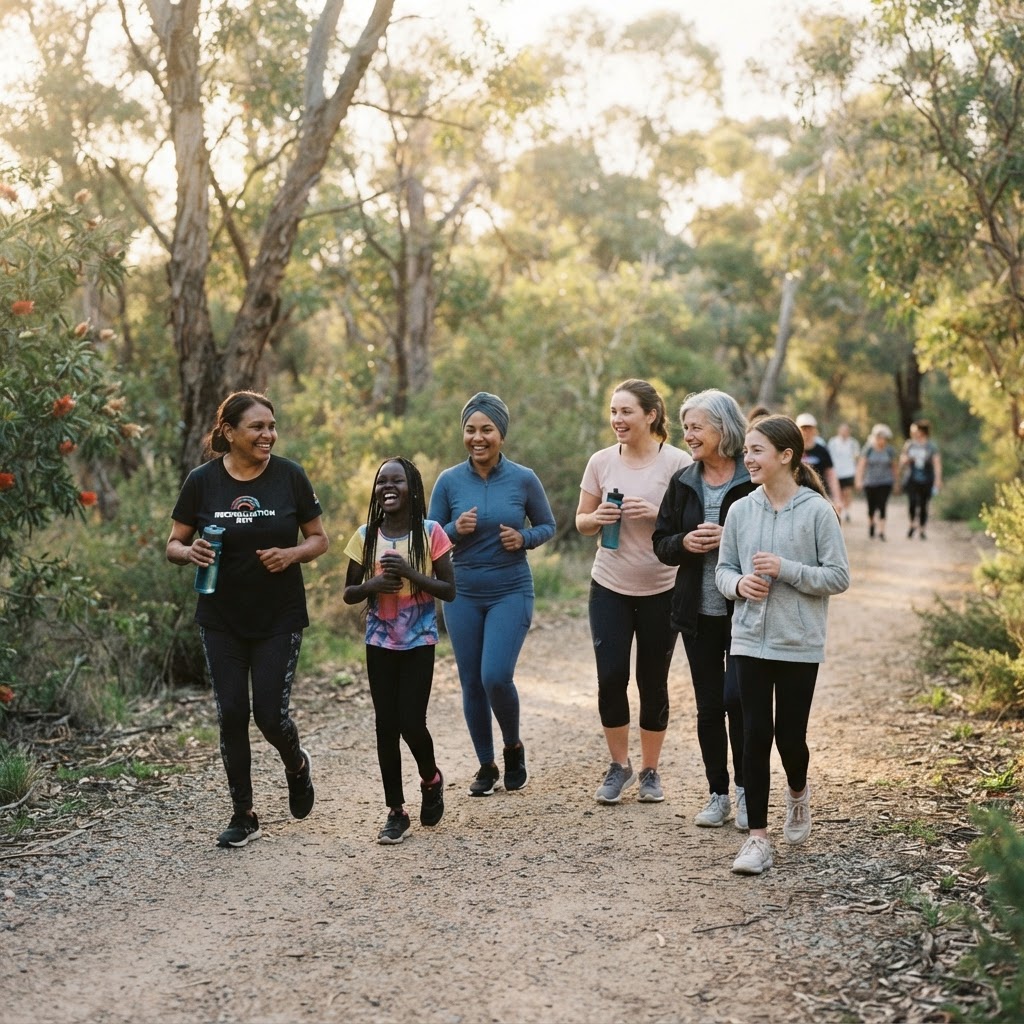
Movement creates something conversation often can't.
Movement can help build physical confidence, routine and self-belief. It is not only about training; it creates a shared experience through which trust, connection and confidence can develop over time.
"Movement is one of the most powerful tools for improving mental health and rebuilding self-belief."
Youth mentoring.
An intended 24-week movement-based mentoring program for young people experiencing disadvantage or at risk of disengagement — building confidence, routine and belonging through regular sessions with an appropriately screened and trained mentor. Our youth pathway supports young people from a range of circumstances, including young people living in out-of-home care, with case workers and referring organisations involved where appropriate.
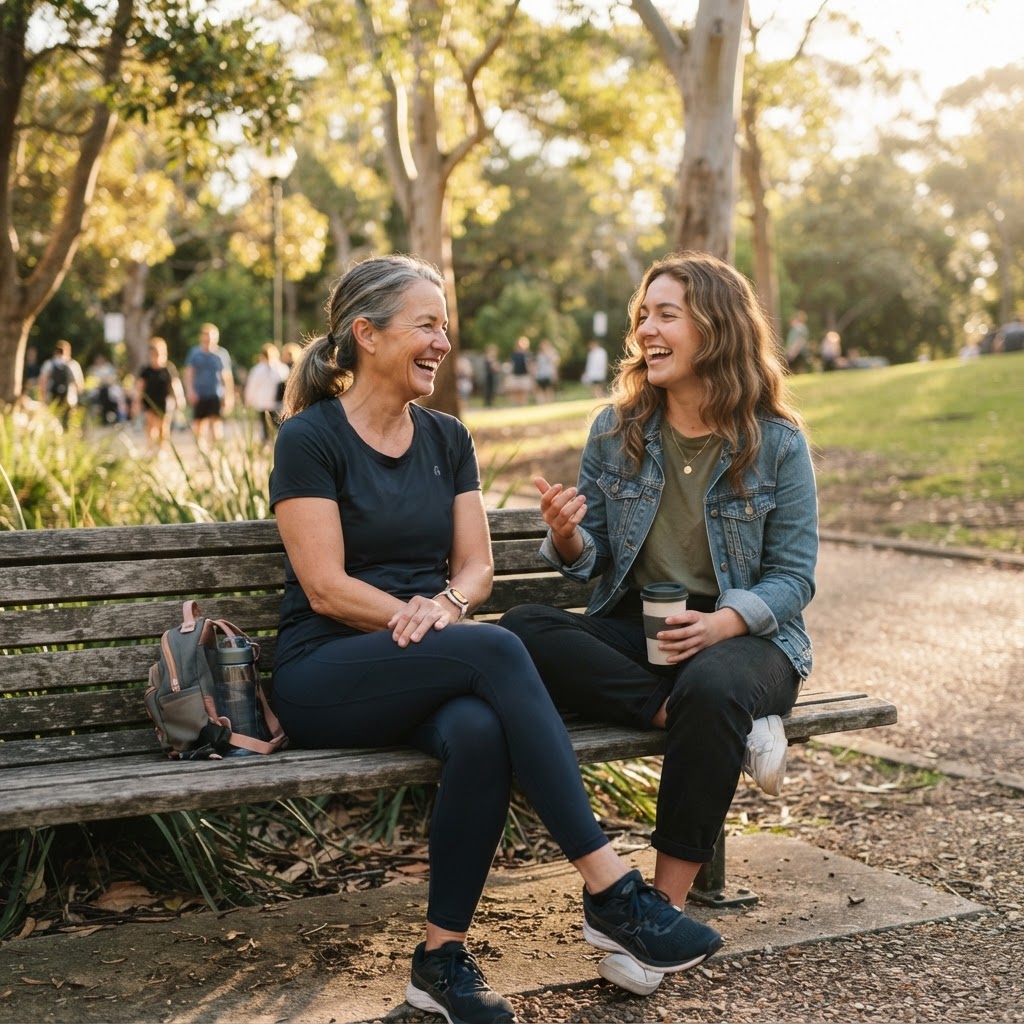
Women experiencing, at risk of, or rebuilding after domestic and family violence.
A future survivor-centred pathway for adult women experiencing, at risk of, or rebuilding after domestic and family violence — a safe, choice-led space to rebuild strength, connection and confidence through movement and trusted, consistent mentoring at a pace that respects each person's story. There is no upper age limit.
Future program pathway · Expressions of interest and partnership enquiries welcome.
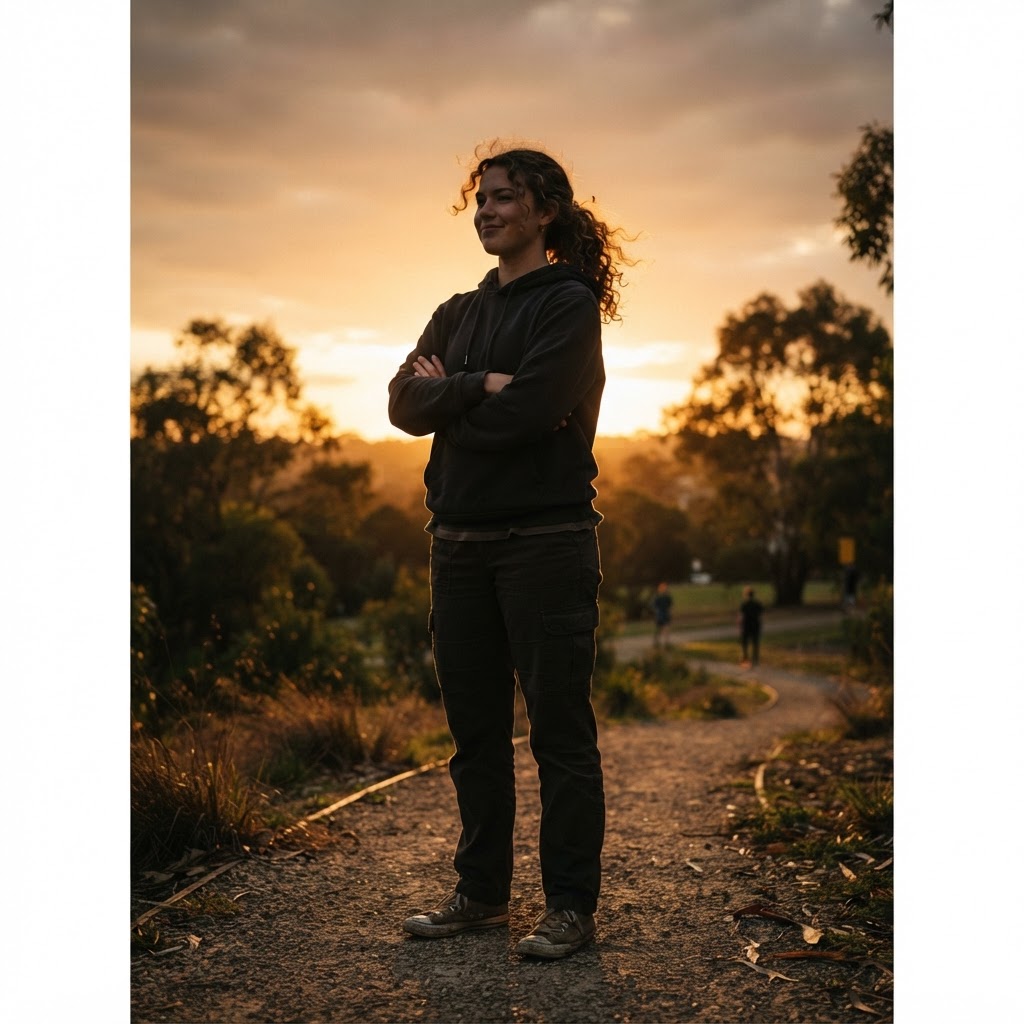
Intended 24 weeks, four phases.
Our intended structured program is designed to run for 24 weeks, combining consistent movement sessions with mentoring, check-ins and practical pathways forward. The final pilot design, session frequency and availability will be confirmed as partnerships and funding develop.
Phase 1
Weeks 1-2
Onboarding & Matching
Participants would be referred, assessed and matched with a Movement Mentor based on needs, location and goals.
Phase 2
Weeks 3-20
Active Movement
Regular movement sessions would build physical confidence, routine and a genuine mentor-participant relationship.
Phase 3
Weeks 21-22
Confidence Building
The focus would shift to self-belief, social connection and preparing for independence.
Phase 4
Weeks 23-24
Completion & Transition
Participants would complete the structured pathway with stronger confidence, practical skills and connections to continue building.
What happens in a session.
The intended structured model includes up to two movement-based mentoring sessions per week, subject to the final pilot design, participant needs, referral arrangements and available funding. Each session is intentionally designed to combine physical activity with relational support — the mentor isn't just a coach, they're the person in the participant's corner.
Movement Activity
Each session would centre around a physical activity chosen by the participant.
Mentor Check-In
Mentors would check in on wellbeing, goals and challenges.
Progress Tracking
The intended framework will track confidence, attendance and goals throughout delivery.
Community Connection
Sessions would build social connection and belonging.
How Spotters works.
See the full seven-step journey from referral to rebuilding, with the complete program detail, on our How It Works page.
See How It WorksKnow someone who could benefit?
Referrals can come through partner organisations, schools and caseworkers — or directly from parents, carers and families. Every enquiry is considered individually, and our team will discuss the safest, most suitable next step.

